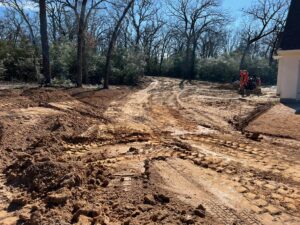
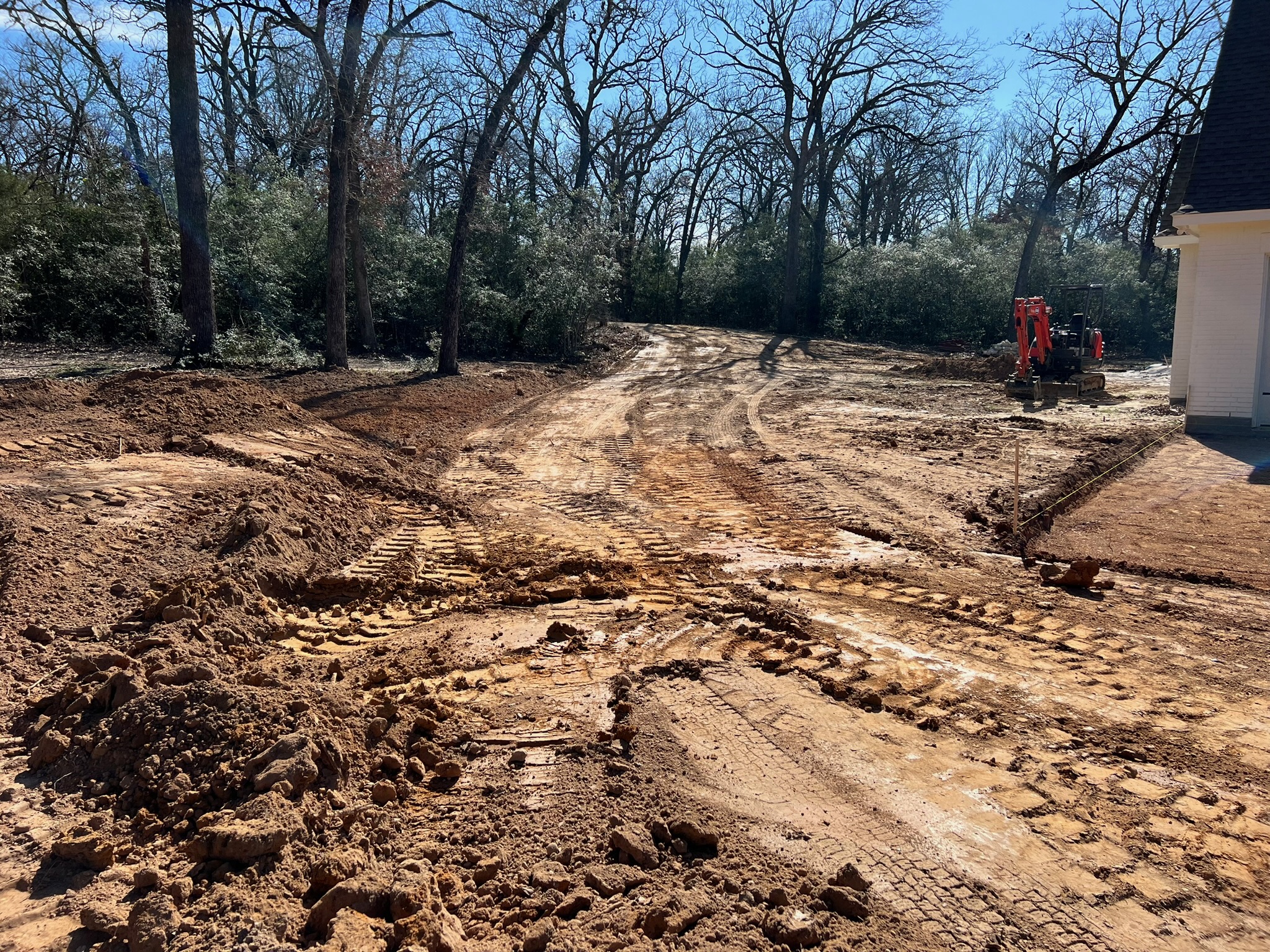
Before a slab is poured, before framing starts, and before the first trade shows up expecting a clean jobsite, the site has to be ready. That is where proper site prep makes or breaks the early part of a construction project.
For builders, site preparation is more than moving dirt. It is the work that turns a raw lot into a buildable site. It includes access, clearing, excavation, grading, drainage planning, utility trenching, pad preparation, erosion control, and the coordination needed to keep the next phase of construction moving.
When site prep is rushed or handled without a clear plan, the problems usually show up later. The concrete crew may find soft spots in the pad. Water may sit where it should drain. Utility trenches may conflict with other site work. Equipment may struggle to access the lot after rain. A project that looked ready on paper can quickly turn into delays, rework, and unnecessary cost.
For builders working in areas with clay soil, sudden rain, rural access issues, or fast-moving development schedules, good dirt work is not optional. It is one of the first layers of risk management on the project.
TL;DR
Site prep gives builders a clean, stable, and workable foundation before construction starts. A proper excavation and grading plan should account for lot clearing, access, pad elevation, drainage, utilities, compaction, erosion control, and handoff to the next trade. Builders should involve an excavation contractor early so potential issues with soil, slope, water movement, and utility conflicts can be addressed before they slow down the build.
Why Site Prep Matters So Much for Builders
Every builder knows that delays early in a project can create a domino effect. If the site is not ready, the concrete crew cannot stay on schedule. If the pad is not properly prepared, foundation work becomes more complicated. If drainage is ignored, water can create problems during construction and long after the project is complete.
Site prep is one of the first real field tests of a construction plan. Drawings may show elevations, setbacks, drainage paths, utilities, and access points, but the actual lot may tell a different story. There may be soft soil, unexpected debris, poor drainage, uneven grade, buried utilities, tree roots, limited access, or runoff from neighboring properties.
A good excavation contractor helps bridge the gap between the plan and the real conditions on the ground. That matters for builders because the goal is not just to move dirt. The goal is to create a site that is ready for the next phase of construction.
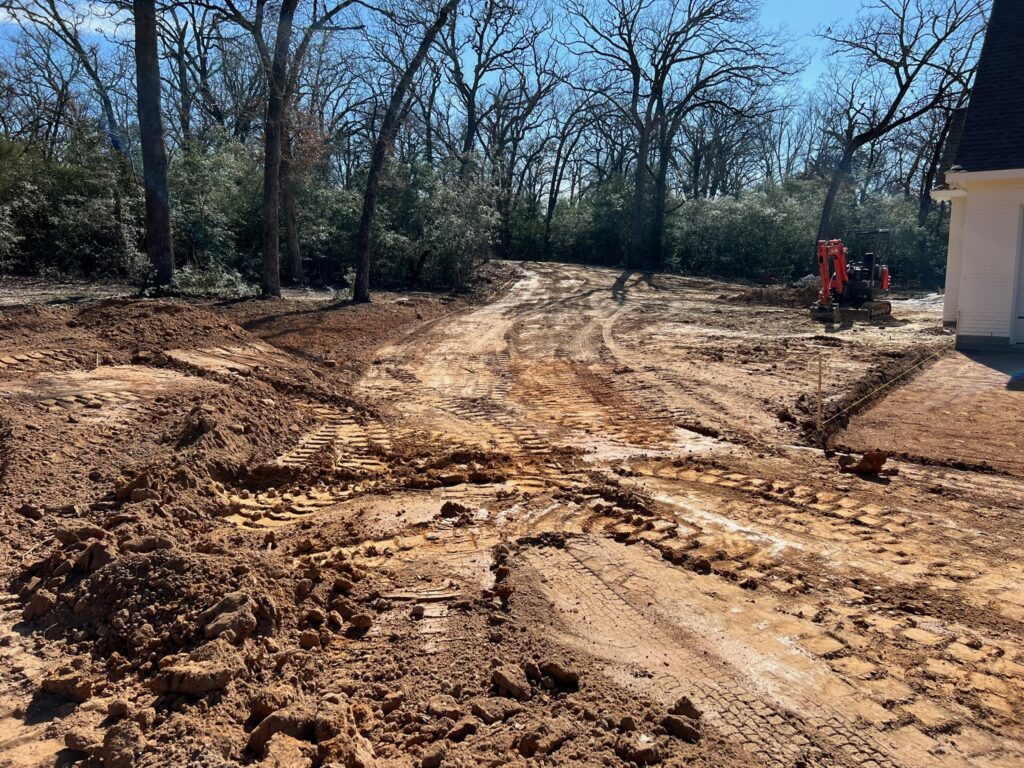
What Site Prep Usually Includes
Site preparation can vary depending on the type of project, but most builder-focused site prep includes several core phases.
Lot Clearing
Before grading or excavation begins, the site usually needs to be cleared. This may involve removing brush, small trees, stumps, rocks, old structures, concrete, trash, or other material that interferes with construction.
For builders, clearing is not just about appearance. It creates room for equipment, improves access, exposes the actual grade, and helps identify issues that may not be visible when the lot is overgrown or cluttered.
Access Preparation
A site that cannot be accessed safely and efficiently will slow everything down. Access preparation may include temporary construction entrances, gravel access paths, driveway cuts, culvert planning, or equipment staging areas.
This is especially important for lots with bar ditches, soft ground, rural acreage, narrow roads, or limited frontage. Builders should think through how excavators, concrete trucks, delivery trucks, plumbers, electricians, framers, and inspectors will access the site throughout the project.
Rough Grading
Rough grading shapes the site into its general form before construction begins. This can include cutting high areas, filling low areas, establishing pad elevation, shaping drainage paths, and preparing the site for foundation work.
Rough grading should be handled with the final project in mind. The lot needs to work not only for the foundation, but also for driveways, sidewalks, drainage, landscaping, utility runs, and future access.
Pad Preparation
House pad preparation is one of the most important parts of site prep. The pad needs to be built with attention to elevation, soil condition, moisture, compaction, and drainage. A poorly prepared pad can create problems for the slab, foundation, and long-term performance of the structure.
In areas with clay soil, pad prep becomes even more important because moisture changes can cause soil movement. Builders should pay close attention to drainage around the pad and make sure water is directed away from the structure instead of toward it.
Utility Trenching
Utility trenching may be needed for water, sewer, gas, electrical, drainage, or other underground lines. This work has to be coordinated carefully so trenches do not interfere with the pad, driveway, future flatwork, or other trades.
Builders should make sure utility locates are scheduled before excavation starts. Even on undeveloped or rural lots, underground utilities, private lines, irrigation, septic components, or older abandoned lines can create risk.
Drainage Planning
Drainage should never be treated as an afterthought. Proper site prep should account for how water will move during construction and after the project is complete.
Poor drainage can create muddy access, washed-out areas, soft pads, standing water, erosion, and long-term foundation concerns. On flatter lots, the grading plan may need to be especially intentional because water will not naturally move away from the structure without proper slope.
Erosion and Stormwater Control
On larger construction sites or projects that disturb enough soil, erosion control and stormwater compliance may also become part of the site prep conversation. Builders should think about stabilized entrances, silt fence, inlet protection, sediment control, and how disturbed soil will be managed during rain events.
Even on smaller projects, erosion control matters. Dirt leaving the site can cause issues with neighboring properties, streets, drainage systems, and inspections.
Builder Questions to Answer Before Site Prep Starts
The best time to solve site prep problems is before equipment arrives. Builders can save time by answering a few important questions early.
Is the Site Accessible for Equipment and Deliveries?
Before excavation starts, the builder should know where equipment will enter, where material will be staged, and whether trucks can safely reach the work area.
If the site has a ditch, steep approach, soft soil, narrow access, trees, fences, or neighboring structures, the excavation contractor needs to know that before scheduling equipment. Access issues can change the type of machine needed, the amount of time required, and the sequence of work.
Are Utility Locates Complete?
Any digging project should account for underground utilities. Builders should not assume that a vacant lot is free of utility conflicts. Water, sewer, gas, power, communications, irrigation, septic lines, and private utility runs can all create problems.
Utility locate planning should happen early enough that site prep does not start before the marks are complete. If private utilities are present, those may need to be identified separately because public locate services may not mark every private line on the property.
Is the Pad Elevation Clear?
Pad elevation affects drainage, foundation work, driveway slope, flatwork, landscaping, and long-term site performance. If the pad is too low, the site may struggle with water movement. If it is too high, the builder may run into issues with transitions, fill requirements, or access.
The excavation contractor should understand the intended finished elevation, not just the general area where the pad will go. Clear elevation planning helps reduce rework.
Where Will Water Go?
Every builder should ask this before dirt work begins. Water needs a path. If that path is not planned, water will find one on its own.
Drainage planning should consider roof runoff, driveway slope, neighboring lots, road runoff, bar ditches, swales, low spots, and final landscaping. During construction, temporary drainage can also matter because an unfinished site is often more vulnerable to erosion and mud.
What Trades Are Coming Next?
Site prep should support the next phase of the project. If the concrete crew is next, the pad needs to be ready. If utility contractors are next, trenching and access should be coordinated. If framing, deliveries, or flatwork are coming soon, the site should be left clean and workable.
An excavation contractor who understands builder sequencing can help prevent trade conflicts and unnecessary downtime.
Common Site Prep Mistakes That Slow Builders Down
A lot of construction delays can be traced back to preventable site prep issues.
Starting Without a Clear Scope
If the builder and excavation contractor do not define the scope clearly, assumptions can create problems. One person may think the job includes pad prep, driveway cut, utility trenching, and drainage shaping. Another may think it only includes rough grading.
A clear scope should define what is being cleared, where the pad goes, what elevations matter, whether material is being hauled in or hauled off, what utilities are involved, and what condition the site should be left in.
Ignoring Drainage Until Later
Drainage problems are easier to prevent than fix. If drainage is ignored during site prep, the builder may end up dealing with soft spots, standing water, erosion, or grade corrections later.
Drainage should be considered from the beginning, especially on flat lots or lots with clay soil. The site should be shaped so water moves away from the structure and toward an appropriate drainage path.
Poor Communication Between Trades
Excavation does not happen in isolation. Utility contractors, plumbers, concrete crews, inspectors, framers, and landscapers may all be affected by the early dirt work.
Builders should make sure everyone understands the sequence. If trenching happens before the site is properly graded, work may have to be redone. If the pad is prepared before drainage is addressed, water may compromise the work. If access is not maintained, deliveries and trade scheduling can fall apart.
Not Planning for Weather
Weather can change site conditions quickly. Heavy rain can turn a workable lot into a muddy mess, especially if drainage and access are not planned well. Builders should account for rain risk when scheduling excavation, pad prep, concrete, and utility work.
Good site prep cannot eliminate weather delays, but it can reduce the damage those delays cause.
Treating All Soil the Same
Soil conditions affect excavation, compaction, drainage, and pad performance. Clay-heavy soil, sandy soil, rocky areas, and fill material all behave differently.
Builders should avoid assuming that every lot can be prepared the same way. The excavation plan should respond to the actual site conditions.
What Builders Should Expect From a Good Excavation Contractor
A good excavation contractor should bring more than equipment to the job. Builders need a sitework partner who understands timing, sequencing, safety, and the importance of handing off a clean site.
The contractor should be able to review the site conditions, discuss access, identify potential drainage issues, coordinate around utility locates, and explain what needs to happen before the next trade arrives.
For builder projects, communication is one of the biggest value points. The contractor should be clear about schedule, scope, site limitations, weather concerns, and any conditions that may require changes. Dirt work often looks simple from the outside, but small decisions early in the process can affect the entire build.
How Early Should Builders Bring in an Excavation Contractor?
The earlier, the better. An excavation contractor does not need to wait until the day dirt work begins to provide value.
Builders should consider involving the excavation contractor during the pre-construction planning phase, especially if the lot has access challenges, slope concerns, drainage questions, utility conflicts, or questionable soil conditions.
Early input can help identify issues before they become expensive. It can also help builders schedule the project more realistically. If utility locates, material import, haul-off, culvert work, erosion control, or drainage corrections are needed, those items can be accounted for before the timeline gets tight.
The Handoff Matters
The end goal of site prep is a clean handoff. The next trade should not show up to a site full of preventable issues. The pad should be ready for the next phase. Access should be workable. Drainage should be considered. Utility routes should be coordinated. The site should be left in a condition that supports the builder’s schedule instead of slowing it down.
That is why site prep is not just a first step. It is the foundation for everything that follows.
For builders, the right excavation partner can help reduce rework, protect timelines, and create a smoother construction process from the ground up.
Final Thoughts
Site prep is one of the most important phases of any construction project because it sets the tone for everything that follows. When the dirt work is done right, the site is safer, cleaner, better drained, easier to access, and better prepared for the next trade.
Builders should treat site prep as a strategic part of the project, not just an early task to check off the list. Proper planning around grading, pad prep, utility trenching, drainage, access, and soil conditions can save time and prevent issues later in the build.
If you are preparing for a new build, addition, shop, commercial pad, or development project, Terra Nova Excavation can help get the site ready from the ground up. From clearing and grading to pad preparation, trenching, drainage, and builder-focused sitework, our team helps create a clean, stable starting point for construction.
What is site prep in construction?
Site prep is the process of preparing land before construction begins. It can include clearing, excavation, grading, pad preparation, drainage planning, access preparation, utility trenching, and erosion control.
Why is site prep important for builders?
Site prep helps builders create a stable, accessible, and properly graded jobsite before the next phase of construction. Good site prep can reduce delays, prevent drainage problems, support foundation work, and keep trades moving efficiently.
When should a builder contact an excavation contractor?
Builders should contact an excavation contractor during the planning phase, especially if the site has access issues, drainage concerns, utility conflicts, slope changes, or questionable soil conditions.
What can delay site prep in construction and excavation?
Common delays include weather, incomplete utility locates, unclear plans, poor access, unsuitable soil, drainage problems, scope changes, and lack of coordination between trades.
Does site prep include utility trenching?
It can. Utility trenching is often part of site preparation when new water, sewer, gas, electrical, or drainage lines need to be installed or coordinated before construction continues.